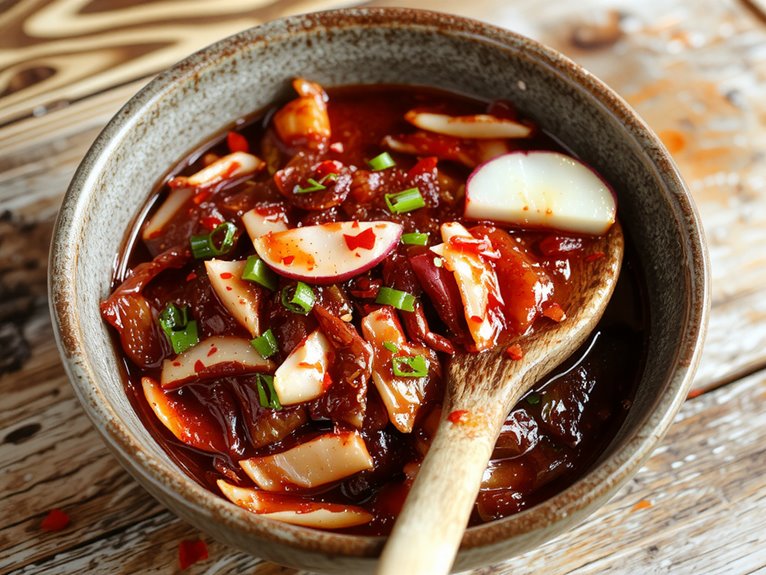
What You’ll Love About This Recipe
Making your own kimchi is easier than you think, and it’s packed with flavor and health benefits. Plus, it’s a fun way to try something new in the kitchen! * You’ll love how fresh and tangy it tastes, with just the right amount of spice. * It’s customizable, so you can adjust the heat or add your favorite veggies. * Once you make it, you’ll feel proud of creating a staple of Korean cuisine right at home.
Recipe
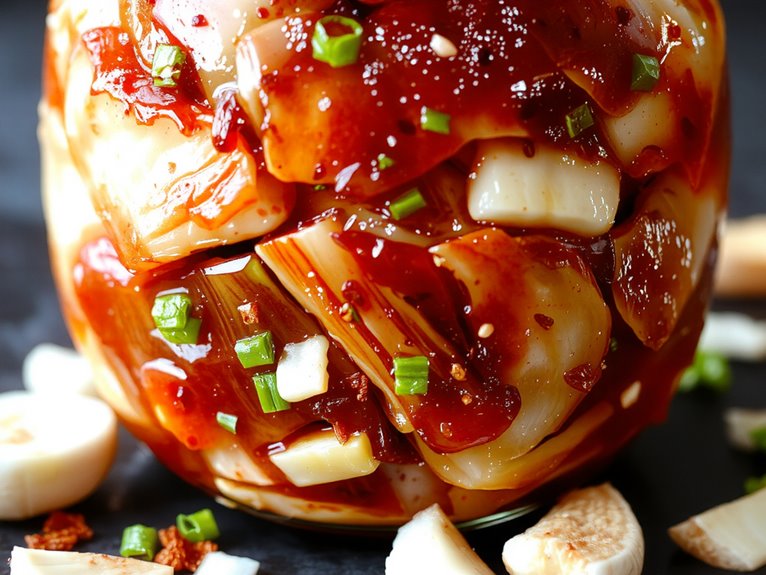
Kimchi is a traditional Korean dish made from fermented vegetables, primarily napa cabbage and Korean radishes, with a variety of seasonings. It’s known for its tangy, spicy, and umami flavors, and it’s a staple in Korean cuisine. Making kimchi at home allows you to customize the flavors and enjoy fresh, probiotic-rich food.
Ingredients:
1 large napa cabbage (about 2.5-3 lbs)
1/4 cup coarse Korean sea salt (or kosher salt)
1 cup radish, julienned
1/2 cup carrot, julienned
4 green onions, chopped
1/4 cup garlic, minced
1 tbsp ginger, minced
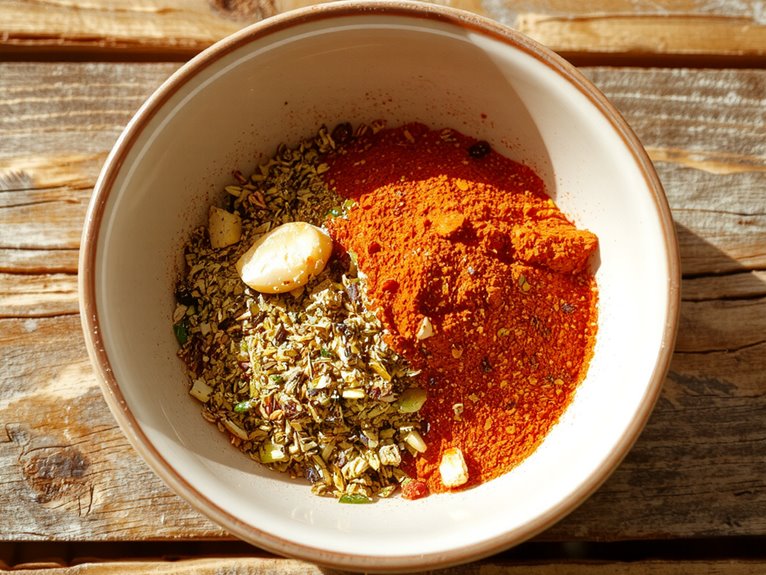
1/4 cup Korean red pepper flakes (gochugaru)
1 tbsp sugar
1/4 cup fish sauce (or soy sauce for a vegetarian option)
1/4 cup water
Instructions:
- Cut the napa cabbage into quarters lengthwise. Remove the core and separate the leaves.
- Dissolve the salt in water and generously coat each cabbage leaf with the mixture. Let it sit for 2-3 hours, turning occasionally to guarantee even salting.
- Rinse the salted cabbage thoroughly to remove excess salt and drain well.
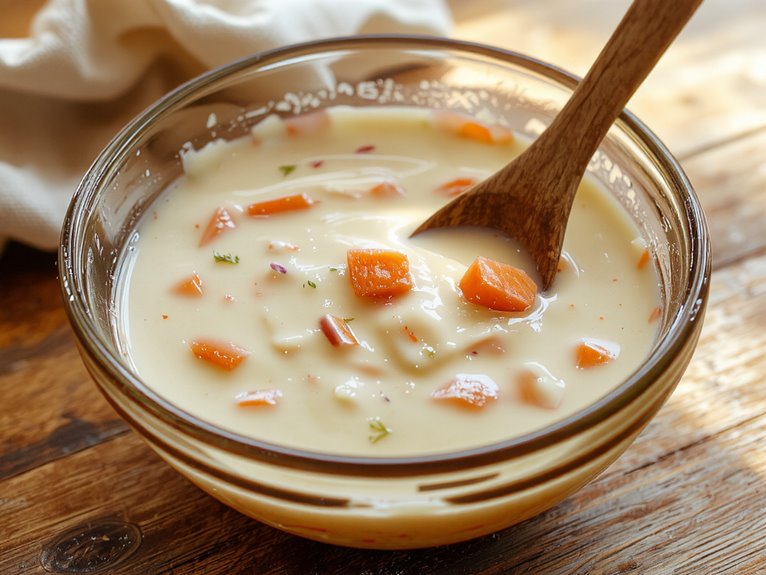
- In a large bowl, mix radish, carrot, green onions, garlic, ginger, Korean red pepper flakes, sugar, fish sauce, and water to create the seasoning paste.
- Spread the seasoning paste evenly over each cabbage leaf, making sure to coat every layer.
- Pack the seasoned cabbage tightly into a clean, airtight container. Press down to remove air pockets.
- Seal the container and leave it at room temperature for 1-2 days to begin fermentation.
- After fermentation starts, transfer the kimchi to the refrigerator. It will continue to ferment slowly and develop deeper flavors over time.
Notes:
- Adjust the amount of gochugaru to your preferred spice level.
- For a vegetarian option, substitute fish sauce with soy sauce or a vegan alternative.
- Kimchi can be eaten fresh or fermented longer for a tangier taste.
Equipment:
Large mixing bowl
Latex gloves (optional, to prevent staining)
Airtight container or jar
Time:
Prep time: 30 minutes
Cooking time: None
Fermentation time: 1-2 days
Cuisine:
Korean
Serving:
Makes about 2 quarts (serves 10-12 as a side dish). Kimchi can be enjoyed as a side dish, in soups, fried rice, or wraps.
Nutrition
Kimchi is a nutritious fermented food packed with vitamins, minerals, and probiotics. Here’s a breakdown of its nutritional value per serving (100g):
| Nutrient | Amount |
|---|---|
| Calories | 15 kcal |
| Carbohydrates | 2.4 g |
| Protein | 1.1 g |
| Fat | 0.5 g |
| Fiber | 1.6 g |
| Sodium | 798 mg |
| Vitamin C | 22 mg |
| Vitamin K | 23 µg |
What To Serve With It
I love serving my homemade kimchi with simple rice dishes, like steamed white rice or fried rice, because it adds a zesty kick to every bite. When I’m craving something warm and comforting, I pair it with soups, such as kimchi stew or miso soup, to balance the flavors perfectly. It’s amazing how these combos can turn a basic meal into something exciting!
Rice Dishes
Pairing kimchi with rice dishes is one of my favorite ways to enjoy its bold, tangy flavor. A bowl of steamed jasmine rice with a side of kimchi feels like the perfect comfort food to me. I love adding kimchi to fried rice, especially when I throw in scrambled eggs, peas, and a drizzle of sesame oil. Bibimbap, a Korean mixed rice dish, gets a kick with spicy kimchi mixed in. Sometimes, I’ll even make kimchi fried rice by sautéing chopped kimchi with day-old rice and a bit of soy sauce. Each bite is a burst of flavor I can’t resist.
Soup Pairings
There’s nothing quite like a steaming bowl of soup to warm you up, especially when it’s paired with the tangy punch of kimchi. I love serving kimchi with a simple tofu soup—its mild flavor balances the kimchi’s boldness perfectly. Korean kimchi jjigae is another favorite, where the kimchi becomes part of the soup itself, creating layers of flavor. For a lighter option, I pair kimchi with a clear broth chicken soup, letting the broth’s warmth complement the crunch of the fermented cabbage. Even miso soup works, adding an umami boost that feels both comforting and exciting. Soup and kimchi? A match made in heaven.